Specialised Products
Chemical, parcel, and specialised liquid product chartering. Chemical tankers, coated and stainless steel tonnage, IMO I/II/III vessels. Cargo compatibility, segregation, and IMO classification handled end-to-end.
Where the cargo is the constraint
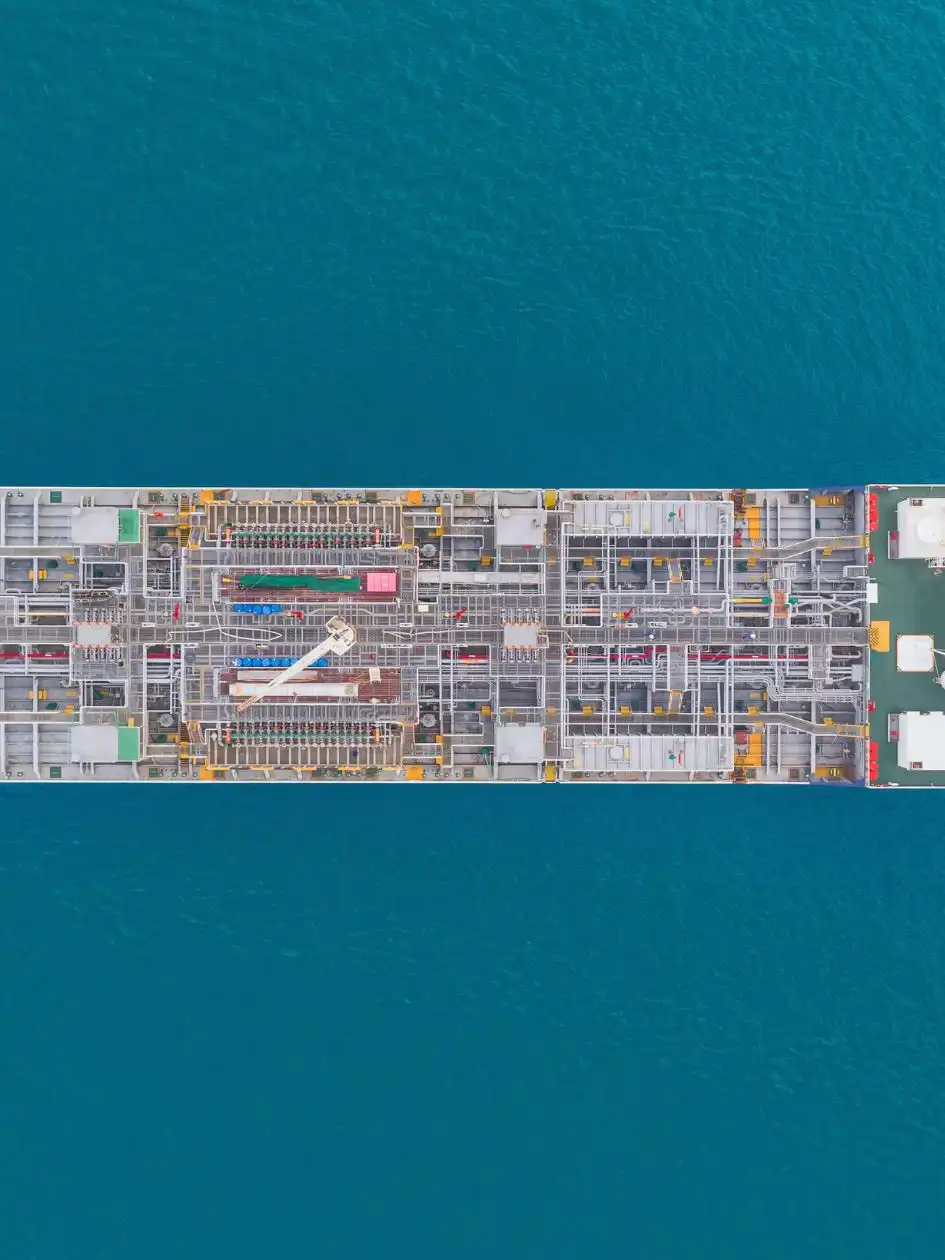
Specialised products covers chemicals, parcel cargoes, and other liquids that need more than a standard product tanker. The desk covers cargoes requiring coated or stainless steel tanks, IMO-classified tonnage, careful segregation, heating, or cargo-specific cleaning regimes. It is part of our broader ship brokering practice. For crude oil and standard petroleum products see our tankers desk page.
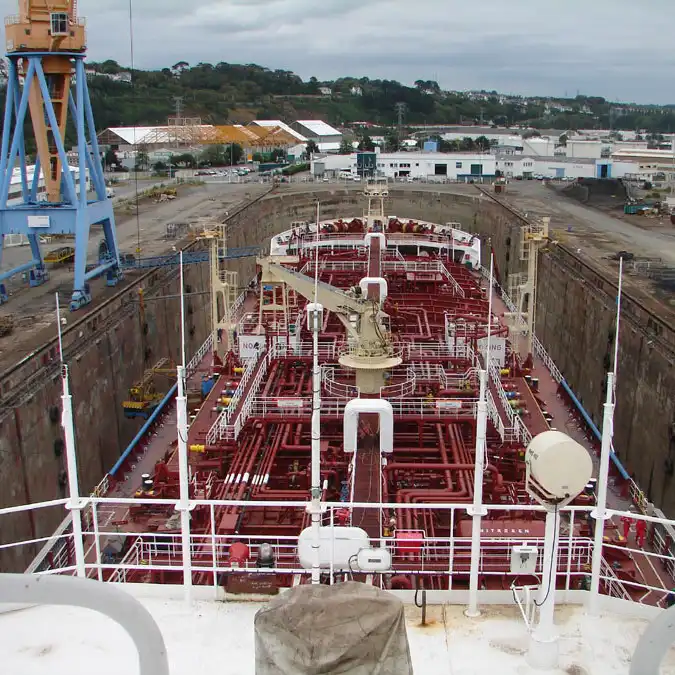
Bulkargo’s specialised products desk covers the organic chemical complex (methanol, acetic acid, MEG, styrene monomer, MIBK, glycols, alcohols), the inorganic basket (caustic soda, sulphuric and phosphoric acids, hydrochloric acid), base oils and lubricants in Group I, II, and III, biofuels and feedstocks (biodiesel/FAME, ethanol, UCO, tallow), molasses, and specialty edible products such as palm olein, palm fatty acid distillate, lauric oils, and vegetable oil derivatives. The vessel pool we work covers chemical tankers in their IMO I, II, and III classifications (equivalent to IBC Code Type 1, 2, and 3), parcel tankers with deeply segregated tank configurations, and coated or stainless steel product carriers used for the cleaner end of the trade.
Cargoes we cover
Organic chemicals
Methanol, ethanol, acetic acid, glycols, MEG, MIBK, styrene monomer, xylenes. Coating-specific and segregation-driven.
Inorganic chemicals
Caustic soda (NaOH), phosphoric acid, sulphuric acid, hydrochloric acid. Often heated, often stainless steel.
Base oils & lubes
Group I, II, and III base oils for lubricant manufacturing. Coated tanks, previous-cargo restrictions.
Biodiesel & biofuels
FAME, UCO (used cooking oil), tallow, biodiesel feedstocks. Food-grade or biodiesel-suitable coatings.
Edible specialty
Molasses, palm fatty acid distillate (PFAD), specialty vegetable oil derivatives. Heated, coated.
Solvents & intermediates
Toluene, benzene, MTBE, ETBE, IPA, butanol, propylene glycol. Multi-grade parcel work common.
Four questions before market
Tank coating compatibility. Coating choice is the first and most consequential filter. Stainless steel (typically 316L) is the most chemically resistant surface available and the only realistic option for strong caustics, concentrated acids, very high-purity methanol, and aggressive intermediates. It is also the most expensive to build and operate, and stainless tonnage trades at a premium. Epoxy phenolic coatings sit in the workhorse middle of the market: cost-efficient, broadly compatible with most organic chemicals, vegetable oils, base oils, biodiesel, and many mild acids at moderate temperatures, but not appropriate for strong caustic, concentrated acids, or some aromatic-heavy grades. Zinc silicate is excellent for many solvents, aromatics, and clean petroleum products, but is reactive with low-pH cargoes and incompatible with caustic soda. Before fixing, we read the vessel’s coating certificate, request the last three cargoes per tank, and where the grade demands it, we will require a coating inspection prior to load. That can include wall-wash by surveyors using ASTM methods, holiday detection on epoxy coatings, and dry-film thickness measurements where coating degradation is suspected. Coatings absorb previous cargoes (styrene into epoxy is a well-known offender), and that absorption can taint a sensitive next cargo even after a textbook clean. We flag this before the offer goes in, not after a discharge dispute.
IMO classification. Chemical tankers are classified IMO I (most hazardous), II, or III under the IBC Code, corresponding to IBC Code Type 1, Type 2, and Type 3 ships. In practice, IMO I tonnage handles the most dangerous cargoes (propylene oxide, certain organic peroxides, a small set of high-hazard intermediates) and is the smallest and most heavily regulated fleet. IMO II covers the bulk of the chemical trade: caustic soda, sulphuric and phosphoric acids, methanol, MEG, glycols, styrene, and most of the high-volume organic chemicals. IMO III is the lower-hazard tier, used for vegetable oils, lubricant base oils, biodiesel feedstocks, and milder products. Every chemical tanker must carry a valid Certificate of Fitness specifying which cargoes she is approved to lift; we verify that the cargo in question is listed on the CoF before nominating the vessel.
Cargo segregation. Modern parcel tankers are built to carry anywhere from four to forty-plus segregated grades on a single voyage, with dedicated pumps, lines, cofferdams, and segregation valves between tank groups. The discipline is mostly about what cannot share a vessel at all: strong oxidisers stowed near organic products, moisture-sensitive cargoes (isocyanates, certain anhydrides) loaded into a tank whose previous cargo or neighbour holds residual water, low-flash solvents adjacent to incompatible vapour spaces. We work the stowage plan against the cargo compatibility matrix before nomination, not as an afterthought, and we read cofferdam and valve arrangements off the vessel’s GA before committing to a multi-grade fixture.
Heating, temperature control, cleaning. Many specialised cargoes have minimum carriage temperatures and active heating obligations. Palm oil and palm olein typically travel at 50-55°C, heavy residual fuel at 50-60°C, caustic soda 50% at around 15°C minimum to avoid crystallisation, certain waxy bio-feedstocks well above ambient. Heating coils must be in good order and free of leaks. For high-purity grades, methanol IMPCA spec being the canonical example, wall-wash testing by an independent surveyor is non-negotiable, and the cleaning regime between cargoes is dictated by the difference between previous and next cargo. Sometimes that is a hot wash with detergent and steam, sometimes butterworth-only, sometimes a full crude wash and recoat inspection. We agree the cleaning standard, who pays for it, and what counts as acceptance into the charter party before signing.
The cheapest vessel on paper would arrive with the wrong coating, the wrong previous cargo, or the wrong heating capability. Vessel-cargo fit is most of the work: much more expensive to get wrong than to negotiate properly upfront.
How Bulkargo fixes a specialised products charter
Most specialised products fixtures are voyage or time charters, but repeat liftings often move to a contract of affreightment once volumes and lanes stabilise.
The process below is what we run on every nomination. It starts with cargo, not vessel. The MSDS or product data sheet drives the entire workup: we read it for IMO classification, IBC Code chapter listing, flash point, viscosity and pour point, stowage factor, density, reactivity, and any incompatibilities with prior cargoes the vessel might be carrying. From there we work the regulatory layer, which on chemical and specialised products is heavier than most cargo desks see. MARPOL Annex II categorises noxious liquid substances into Categories X, Y, Z, and OS (other substances), and that classification governs what may be discharged at sea, what residues must be prewashed ashore, and which tank washing waters need port reception. IMDG Code coverage applies to packaged dangerous goods rather than bulk liquids, but it becomes relevant whenever a packaged consignment travels alongside a parcel fixture or when partial drumming is in play. Into EU loads we check REACH registration on the chemical; into US discharge we verify TSCA inventory status. None of this is glamorous, but a fixture that fails compliance on arrival is far more expensive than the broker time it takes to confirm it upfront. Send us the grade and route and we will run the compatibility check before pricing the lift.
- 01
Cargo assessment
MSDS review, IMO classification, IBC Code Chapter 17/18 listing, required tank coating, viscosity, pour point, heating profile, segregation, cleaning standard required.
- You provide
- MSDS, product spec, IMO class if known
- We handle
- Full compatibility analysis
- 02
Vessel selection
Tank coating match, IMO type match, previous cargo history, pumping capacity, heating capability, segregation availability, tank size matched to parcel size.
- We handle
- Match against small specialist tanker pool
- 03
Compliance
IMDG Code awareness for packaged DG, MARPOL Annex II discharge restrictions for noxious liquid substances, port state requirements, cargo-specific certification (REACH, TSCA).
- We handle
- Regulatory checks at both ends
- 04
Rate negotiation
Worldscale or lump sum for voyage, daily hire for time, COA rate for contract liftings. Parcel rates and deadfreight clauses for multi-grade; heating and tank cleaning charges; sea-passage demurrage for parcels.
- We handle
- Full term sheet negotiation
- 05
Post-fixture
Tank preparation verification (wall-wash certificates, last-cargo declarations, cleaning surveyor reports), loading and discharge supervision, B/L and certificate-of-quality coordination, demurrage settlement.
- We handle
- Operations support through discharge
Hypothetical teaching examples
The profiles below are hypothetical teaching examples of how typical stems in this market work, not Bulkargo fixtures. They illustrate why vessel-cargo fit drives this desk.
- A typical caustic soda 50% stem (say 3,000 MT, Europe to West Africa) needs an IMO II chemical tanker with stainless steel tanks, heated to 15°C minimum at discharge to prevent crystallisation in the cargo lines. Such a lift turns on finding stainless tonnage with a clean previous-cargo history and an open laycan into a regional port with limited reception infrastructure. Standard product tankers are not in scope; zinc-coated tonnage is incompatible with the cargo.
- A typical RBD palm olein parcel (Southeast Asia to India) travels on a coated Handysize tanker with epoxy phenolic tanks suitable for edible oil, heating maintained through the voyage at carriage temperature. Tank coating history is the commercially interesting piece: a recent non-food cargo on a candidate ship disqualifies her under FOSFA guidelines, so the vessel’s cargo record has to be worked back before nomination.
- A typical multi-grade Mediterranean parcel: methanol, MEG, and base oil on a single parcel tanker, needs full segregation between cofferdam-separated tank groups. Methanol carriage triggers IMPCA spec and wall-wash acceptance, and the stowage plan is built around keeping the methanol parcel away from any tank with residual moisture risk.
- A typical transatlantic biodiesel (FAME) voyage moves on a coated MR product tanker with biodiesel-suitable coating and a clean previous-cargo certificate. In a tight clean-tanker market, the brokering work is as much about timing a vessel out of a European discharge as it is about rate.
- A smaller-than-typical single-grade base oil parcel on a long lane works only if a vessel will take the lifting without backhaul economics breaking down: the tonnage search is the fixture.
- A typical sulphuric acid 98% short-sea stem needs a dedicated acid carrier with rubber-lined or specially coated tanks, IMO II. The cargo is aggressive enough that the vessel pool is narrow and chartering is effectively a tonnage search rather than a rate negotiation.
Related references
Adjacent desks
Charter modalities
Service hub
Cargoes we have fixed since 2022
- Cement
- Quicklime
- Bitumen
- Project cargo
- Machinery
- Mining ores and earths
Ready to fix?
Tell us about your cargo. A broker will respond the same business day with an initial market read and next steps.