Ship Brokering Services
Independent ship brokerage for dry cargo, tankers, project cargo, and specialised products. Voyage, time, COA, and spot fixtures negotiated end-to-end by Bulkargo's chartering desks.
Dry Bulk Brokers
Dry bulk brokers who source tonnage, negotiate freight, and handle demurrage after discharge. Full commodity basket, mini-bulker to Capesize.
ExploreDry Cargo Chartering
Dry bulk chartering across the full commodity basket: coal, iron ore, grain, cement, fertilizer, bauxite, steel, scrap. Capesize to mini-bulker. Voyage, time, COA, and consecutive voyage fixtures.
How Ship Chartering Works
Step-by-step walkthrough of how to charter a ship through Bulkargo. The full process from inquiry to fixture, charter party, voyage, and post-fixture: what you do, what your broker handles, and how long each step takes.
Project Cargo & Break Bulk
Project cargo logistics and break-bulk chartering on multi-purpose, heavy-lift, and tweendecker tonnage. Wind components, plant modules, steel structures, transformers, mining equipment. Routine capability at Bulkargo's project desk.
Marine Insurance
Bulkargo coordinates marine insurance cover through multiple insurance partners depending on circumstance. We are not an underwriter. We help charterers and shippers place cargo cover, and coordinate the hull, P&I, and war-risk cover around it so the whole package interfaces cleanly with the charter party.
Specialised Products
Chemical, parcel, and specialised liquid product chartering. Chemical tankers, coated and stainless steel tonnage, IMO I/II/III vessels. Cargo compatibility, segregation, and IMO classification handled end-to-end.
Tanker Chartering
Tanker chartering across crude, clean and dirty products, and vegetable oils. Bulkargo brokers tanker fixtures across VLCC, Suezmax, Aframax, LR1, LR2, MR, and Handysize tonnage on voyage, time, and COA terms.
Independent ship brokerage
Bulkargo sits between cargo owners and vessel owners and arranges the contract that moves your shipment. The charter party fixes the freight rate, the laycan, the laytime, the demurrage, the bunker terms, and dozens of operational clauses that quietly decide whether a voyage runs cleanly or turns into a dispute. A broker who treats those clauses as boilerplate costs the cargo owner money on every fixture; a broker who reads them against the cargo, route, and counterparty in front of them protects margin and keeps the supply chain moving.
Our job is to negotiate those terms on your behalf, find the right vessel for the cargo, and stay with the fixture from first inquiry through discharge and demurrage settlement. We do not own vessels and we are not affiliated with an owner. That independence shapes every recommendation we make. For the fuller walkthrough of that role, see how our Ship Chartering Company service runs from inquiry to settlement.
Founded in 2022, led by a trading team with more than 30 years in dry-bulk commodities. Bulkargo LLC operates from Panama City and Bogotá, and the firm is structured around four cargo desks: dry cargo, tankers, project cargo and break bulk, and specialised liquid products. We work across voyage, time, COA, spot, consecutive, and bareboat charter structures; the right modality is part of the brief, not a service line.
Dry Cargo
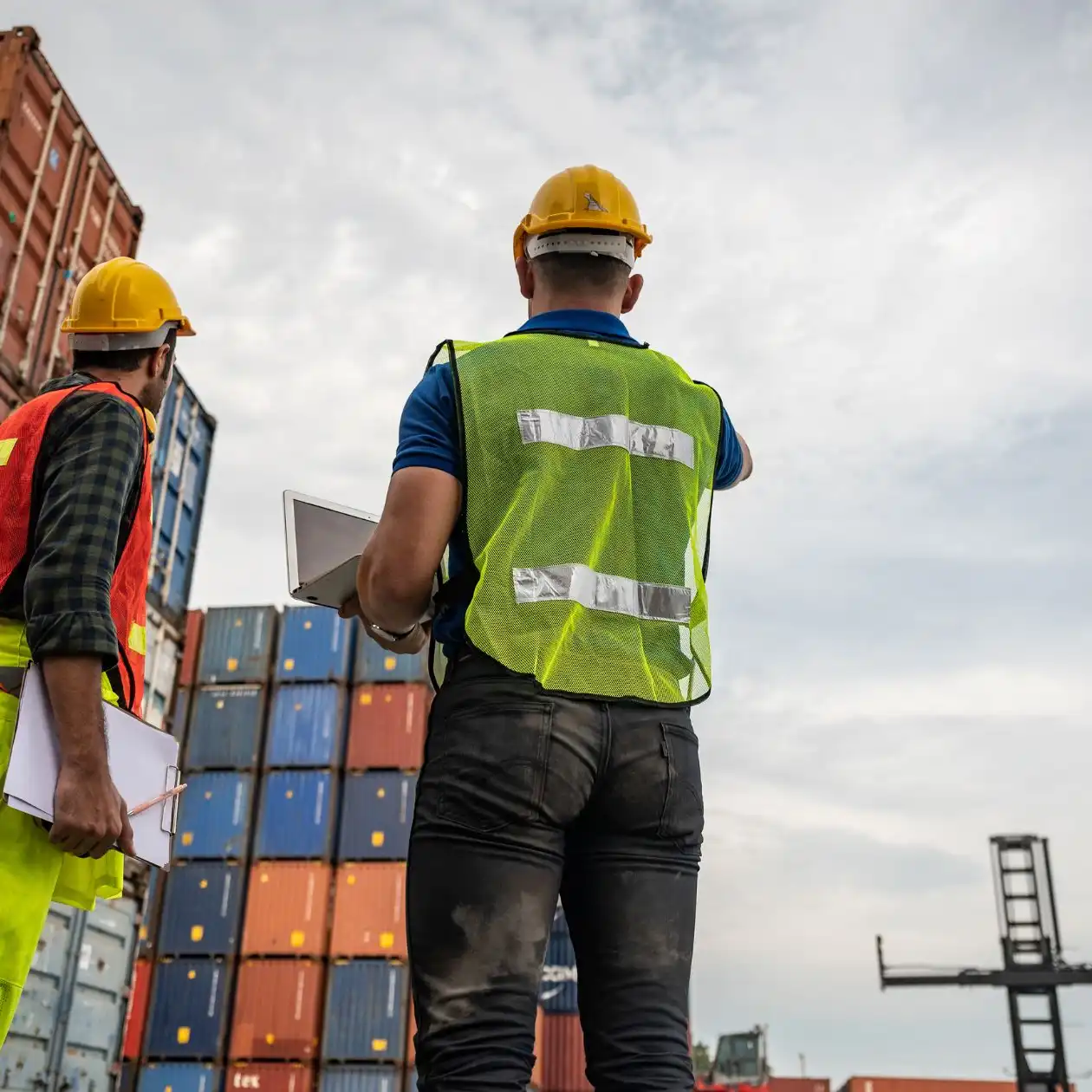
Coal, iron ore, grain, cement, fertilizer, bauxite, steel, scrap, wood pellets, and the rest of the dry bulk basket. Capesize down to mini-bulker.
Learn more Active main deskTankers
Crude, clean and dirty petroleum products, vegetable oils. VLCC, Suezmax, Aframax, LR1/LR2, MR, and coated Handysize tonnage.
Learn more Routine capabilityProject Cargo & Break Bulk
Heavy-lift, oversized, and general cargo on multi-purpose, heavy-lift, and tweendecker tonnage. Wind, plant, transformers, mining equipment.
Learn more Specialist deskSpecialised Products
Chemicals, parcel cargoes, base oils, biofuels, edible products requiring coated or stainless steel tank tonnage.
Learn moreMarket intelligence built in
Every fixture Bulkargo arranges is informed by an active read of the freight market. We track the Baltic Dry Index and its sub-indices on a daily cycle, the Baltic Clean and Dirty Tanker indices (BCTI and BDTI) for the liquids book, sale-and-purchase activity, the orderbook and scrapping pipeline, bunker spreads, port congestion, and the macro inputs (steel output, crude balances, grain stocks, OPEC quotas) that move rates week to week. That market view is part of the brokerage relationship. Clients do not pay for it separately and they do not have to ask for it; it sits behind every recommendation.
Where that intelligence becomes most valuable is in charter strategy: timing a voyage fixture against a softening Capesize curve, locking a period charter ahead of a known tightening, or restructuring a programme between voyage, COA, and time charter as conditions shift. For larger or repeating programmes, we also work on fleet and lane optimisation, selecting the right vessel class, loading window, and modality mix to lower delivered freight cost across the year rather than per stem.
For clients new to bulk shipping (industrials moving into self-contracted freight, traders building out a chartering desk, or finance teams stress-testing freight exposure), we provide market entry guidance: vessel class economics, charter party fundamentals, demurrage exposure, and the operational hand-offs between broker, operator, agent, and master. Existing charterers engage us for charter party and demurrage reviews: pre-fixture clause work to tighten language before commitment, and post-fixture laytime and demurrage assessment when claims are in dispute. For clients who need standalone guidance rather than execution, we accept formal retainer and project-based engagements on the same scope.
How we work
Standard inquiry-to-fixture sequence. Most cargoes go from inquiry to fixture in three to seven business days. Project and heavy-lift cargoes take longer because vessel sourcing is narrower and stowage planning is involved. See the full step-by-step chartering process.
- 01
Inquiry
You tell us cargo, volume, load and discharge ports, and timeline. We clarify cargo specifics that affect vessel choice.
- 02
Market canvass
24 to 72 hrsWe approach our owner and operator network for available tonnage matching the requirement.
- 03
Offer evaluation
We bring three to six qualified options to you with indicative rates and recommendation.
- 04
Negotiation
Freight or hire, laytime, demurrage, laycan, and the operational clauses that matter for your cargo.
- 05
Fixture
Terms confirmed by recap, charter party drawn up, vessel fixed.
- 06
Post-fixture
Voyage monitoring, documentation support, demurrage settlement, and dispute support if required.
Owner-affiliated broker desks have a structural conflict that an independent does not. The Capesize we recommend is the one that fits your cargo: not the one we need to keep employed.
Mining, energy, agri, industrial
Bulkargo’s client base sits in the commodity and industrial economy. The work tends to look the same shape across sectors: a logistics or chartering lead has a stem to cover and needs a broker who knows the relevant tonnage market well enough to fix at the right number on the right terms.
- Mining and metals companies moving iron ore, bauxite, alumina, coal, manganese, and other minerals on Capesize through Supramax tonnage.
- Agricultural traders and producers lifting grain, soybean, sugar, fertilizer, and vegetable oils on Panamax, Supramax, and Handysize tonnage.
- Construction and building materials shippers moving cement, clinker, aggregates, steel, and scrap on Supramax, Handysize, and mini-bulker tonnage.
- Energy companies and utilities shipping thermal and coking coal, pet coke, wood pellets, biomass, crude, fuel oil, and clean petroleum products.
- Oil traders and refiners requiring crude and product tanker fixtures from VLCC down to MR, including STS-capable tonnage.
- Chemical producers and traders with parcel-tanker and coated or stainless steel tank requirements for chemicals, base oils, biofuels, and edible products.
- Industrial shippers and EPC contractors moving heavy-lift, oversized, and break-bulk freight: wind, transformers, plant modules, mining and port equipment, rail and rolling stock.
Geographically we cover the major bulk and tanker trade lanes: the Caribbean, the Atlantic and Pacific basins, the Indian Ocean and South-East Asia, intra-Mediterranean and Black Sea, the Baltic, and the West African range. Owner and operator relationships span European, Greek, Far East, and Middle East tonnage.
Why Bulkargo
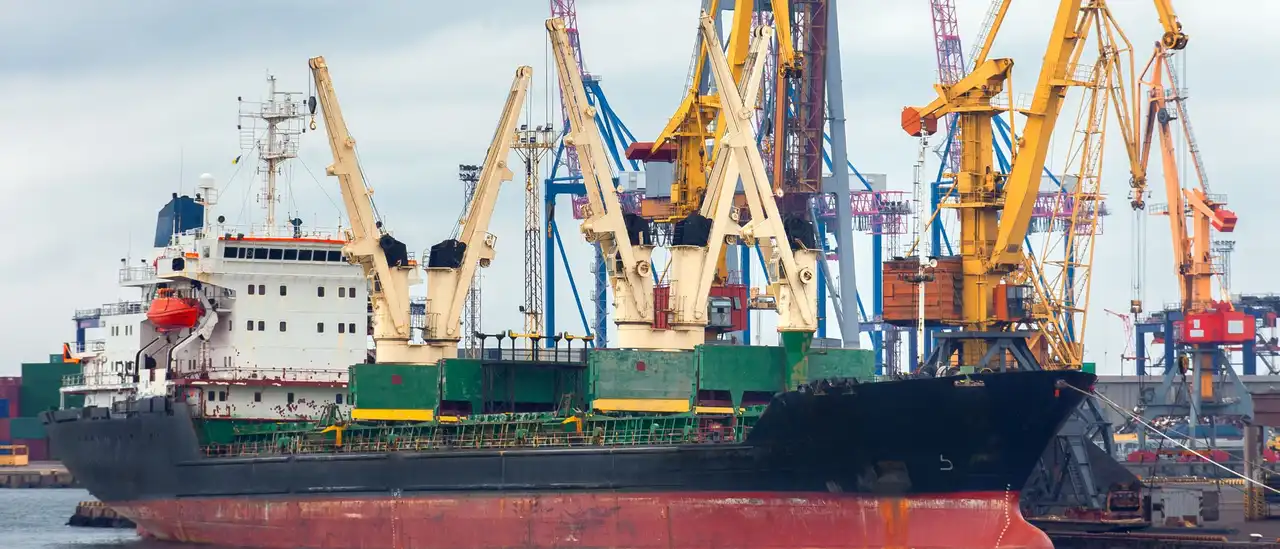
Founded in 2022, led by a trading team with more than 30 years in dry-bulk commodities. The firm is independent, and fixtures are handled directly by the heads of desk. For a cargo owner that means the broker sitting on the call has both the seat time to read a market correctly and the authority to negotiate on the spot, rather than referring everything back up a corporate chain.
Independent
No vessel ownership, no fleet to fill, no affiliation with an owner. There is no in-house tonnage that needs employing and no quiet pressure to push a particular ship at a particular number. The vessel we put in front of a cargo owner is the one that fits the cargo, the route, and the laycan, drawn from the open market.
Global network
Dry cargo, tankers, project cargo, and specialised products under one roof, with direct relationships across the principal owner and operator groups in Europe, Greece, the Far East, and the Middle East. Firm offers across vessel classes from Capesize and VLCC down to mini-bulker and coated Handysize.
End-to-end
The same broker who covers your inquiry stays on the fixture from first offer through to post-fixture demurrage settlement. No hand-off to a separate operations desk once the recap is out. One point of contact, one party accountable for the outcome.
Common questions
Do you have a minimum cargo size?
Do you charge the cargo owner or the vessel owner?
How quickly can you fix?
Do you handle the documentation?
Related references
Cargoes we have fixed since 2022
- Cement
- Quicklime
- Bitumen
- Project cargo
- Machinery
- Mining ores and earths