Bulk Carriers
Guide to bulk carrier vessels: classes, sizes, capacities, and how to choose the right ship for your cargo and ports.
Reviewed by Luis Carlos Alvarez, Head of Commodities
What this hub covers
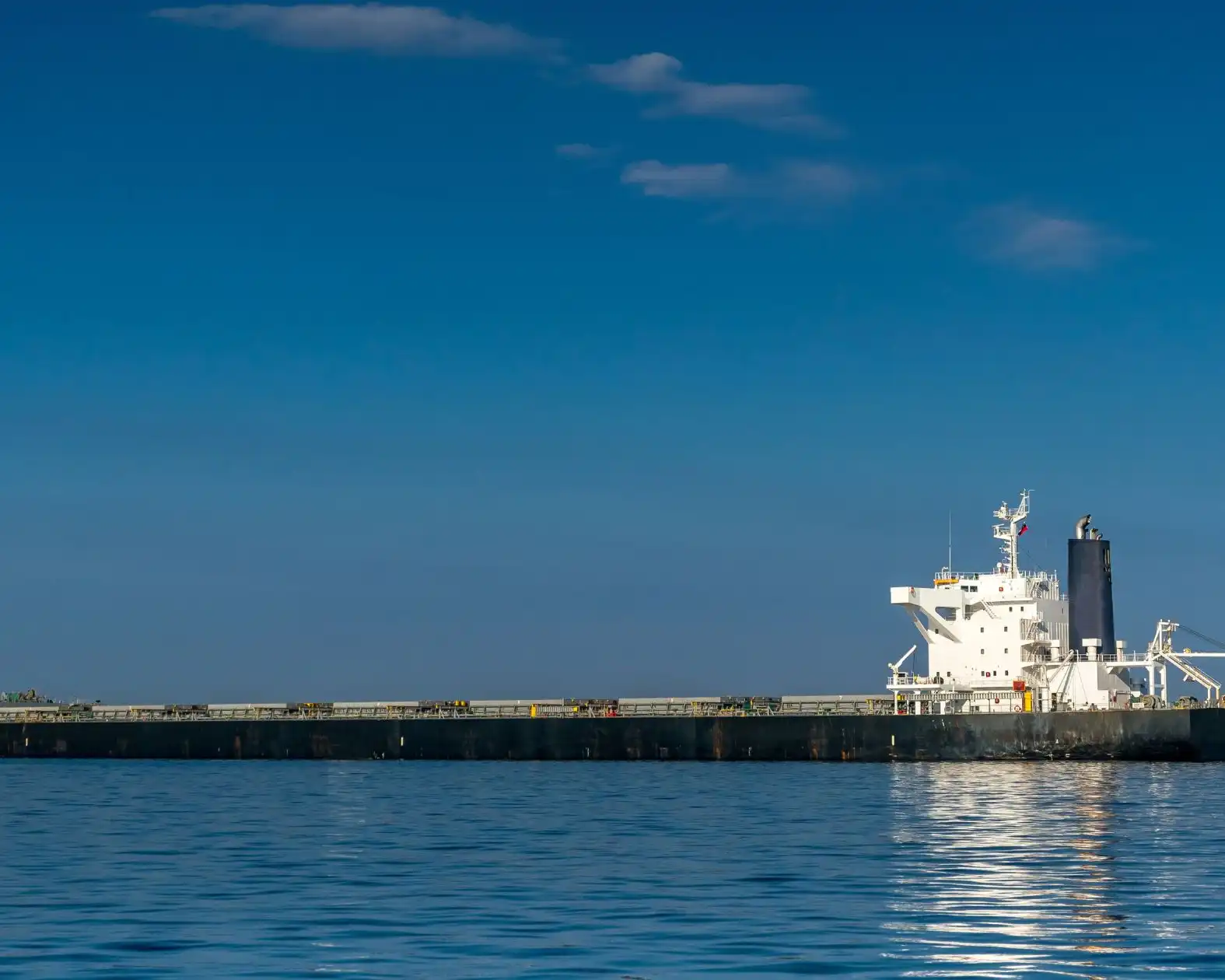
A bulk carrier is a single-deck ship built to load dry bulk cargo directly into large holds through wide deck hatches. The fleet is sorted into classes by deadweight tonnage, and the class decides which berths, channels, and canals a ship can use, and therefore which cargoes and trades it fits. This hub explains each class and the measurements that describe it.
The mainstream classes run from Handysize and Handymax through Supramax and Panamax up to Capesize. The size comparison reads the classes side by side, and the specifications guide explains the vocabulary that describes any vessel: deadweight tonnage, draught, and the principal dimensions.
Who it is for and where to start
These pages are for charterers and shippers who need to match a cargo to a hull and confirm a vessel fits the load and discharge ports before fixing. The class names are a shorthand for a deadweight band and a set of dimensions.
- Compare the classes: the size comparison table.
- Learn the measurements: the specifications guide and deadweight tonnage.
- Go deep on one class: Panamax or Capesize.
To put a cargo on the right vessel, tell us about your cargo and our desk will source the tonnage.
Capesize
Capesize bulk carriers explained. DWT band, dimensions, ports, lanes, sub-classes and chartering considerations for the largest mainstream dry bulk class.
ExploreDeadweight Tonnage
Understanding deadweight tonnage (DWT): what it measures, how it's calculated, and why it matters for cargo shipping.
Handymax
Operator briefing on Handymax bulk carriers. DWT band, dimensions, gear configuration, and how the 40,000 to 50,000 t geared class is being progressively replaced by Supramax and Ultramax tonnage.
Draught / Draft
Understanding vessel draught: what it means, how it is measured and read, how it differs from air draught and freeboard, and why it is the binding port constraint across every bulk carrier class.
Handysize
Operator briefing on Handysize bulk carriers. The smallest ocean-going geared bulk class, 28,000 to 40,000 t, with port flexibility that no larger vessel matches and a defining role in feeder, intra-regional, and break-bulk trades.
Hatch Cover
Understanding hatch covers: types, weathertight requirements, inspection.
Load Line / Plimsoll Mark
Load lines explained: the Plimsoll mark, freeboard, the seasonal and zonal marks (S, W, T, F, TF, WNA), and how the maximum legal draught varies by load line zone.
Mini-Bulker
Mini-bulkers and coasters explained. The smallest dry bulk class at roughly 1,000 to 15,000 DWT, shallow draught and self-geared, serving coastal and short-sea trades, rivers and small parcel cargoes.
Panamax
Panamax bulk carriers explained. DWT band, Panama Canal old-lock beam limit, dimensions, ports, lanes, sub-classes and chartering considerations.
Bulk Carrier Size Comparison
The bulk carrier classes compared side by side: deadweight bands, typical dimensions, gear, and the trades each class fits.
Bulk Carrier Specifications Guide
The bulk carrier specification vocabulary explained: deadweight, tonnage, capacity, holds and hatches, gear, and the measurements on a vessel's particulars.
Supramax
Operator briefing on Supramax bulk carriers. DWT band, dimensions, gear configuration, port flexibility, and the trade lanes where the geared 50,000 to 60,000 t class is the dominant tonnage.
Gross & Net Tonnage
Understanding gross tonnage (GT) and net tonnage (NT): the volumetric ship measures under ITC 1969, how they differ from deadweight and displacement, and why they drive dues, manning and canal tolls.
LOA / Beam / Depth
Understanding vessel dimensions: Length Overall (LOA), beam, depth, and how they affect port access and cargo capacity.
VLOC (Very Large Ore Carrier)
VLOC very large ore carriers explained. DWT band, dimensions, holds and hatches, gearless layout, dedicated ore terminals and the Brazil to China iron ore lane the Valemax class was built for.