Dry Cargo Chartering
Dry bulk chartering across the full commodity basket: coal, iron ore, grain, cement, fertilizer, bauxite, steel, scrap. Capesize to mini-bulker. Voyage, time, COA, and consecutive voyage fixtures.
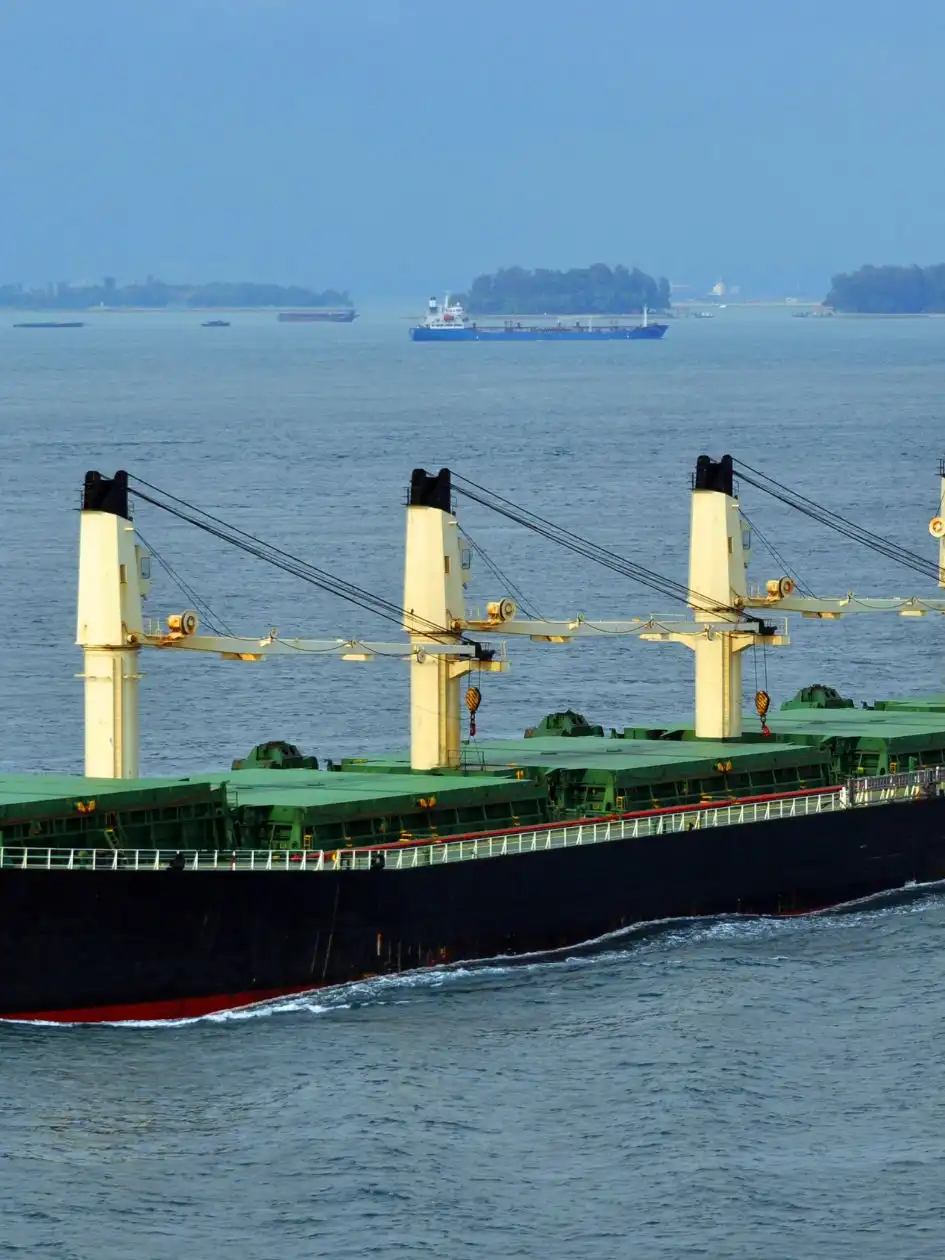
The full dry bulk basket
Dry cargo is Bulkargo’s core desk: since 2022 the firm has fixed cement, quicklime, bitumen, and mining ores and earths, alongside project cargo and machinery on the project desk. The desk covers the full vessel stack, from 3,000 MT mini-bulker stems up to 180,000 MT Capesize and 300,000 MT plus VLOC cargoes on the long-haul Brazil to China and West Africa to Far East routes. Most of the market’s stems sit between 30,000 and 80,000 MT on Supramax, Ultramax, and Panamax tonnage, which is where the broadest depth of owner and cargo interest lives. If a cargo travels in the hold of a bulk carrier, this desk covers it.
Indexing ourselves to fleet liquidity rather than to a single segment is what allows us to advise on substitution: when one segment is bid up, a well-sized cargo can often be split or combined to access the segment that is open. Each segment trades on its own supply and demand fundamentals, on its own Baltic sub-index, and against its own pool of period charterers, and the desk works all of them in parallel.
Most dry cargo work in this market is voyage charter on the prompt market, where shippers buy a specific lift on a specific laycan and the owner carries vessel risk. The remainder splits between time charter for clients with rolling shipping programmes who want flexibility over routing and intake, contract of affreightment for industrial shippers with annual lifting commitments who want to lock in tonne-mile cost over a defined volume, and consecutive voyages tied to a repeating route where the same vessel runs the same loop and the owner amortises ballast across multiple legs. The right modality is a function of cargo predictability, balance-sheet appetite for freight volatility, and how strategic the trade is to the shipper’s commercial book.
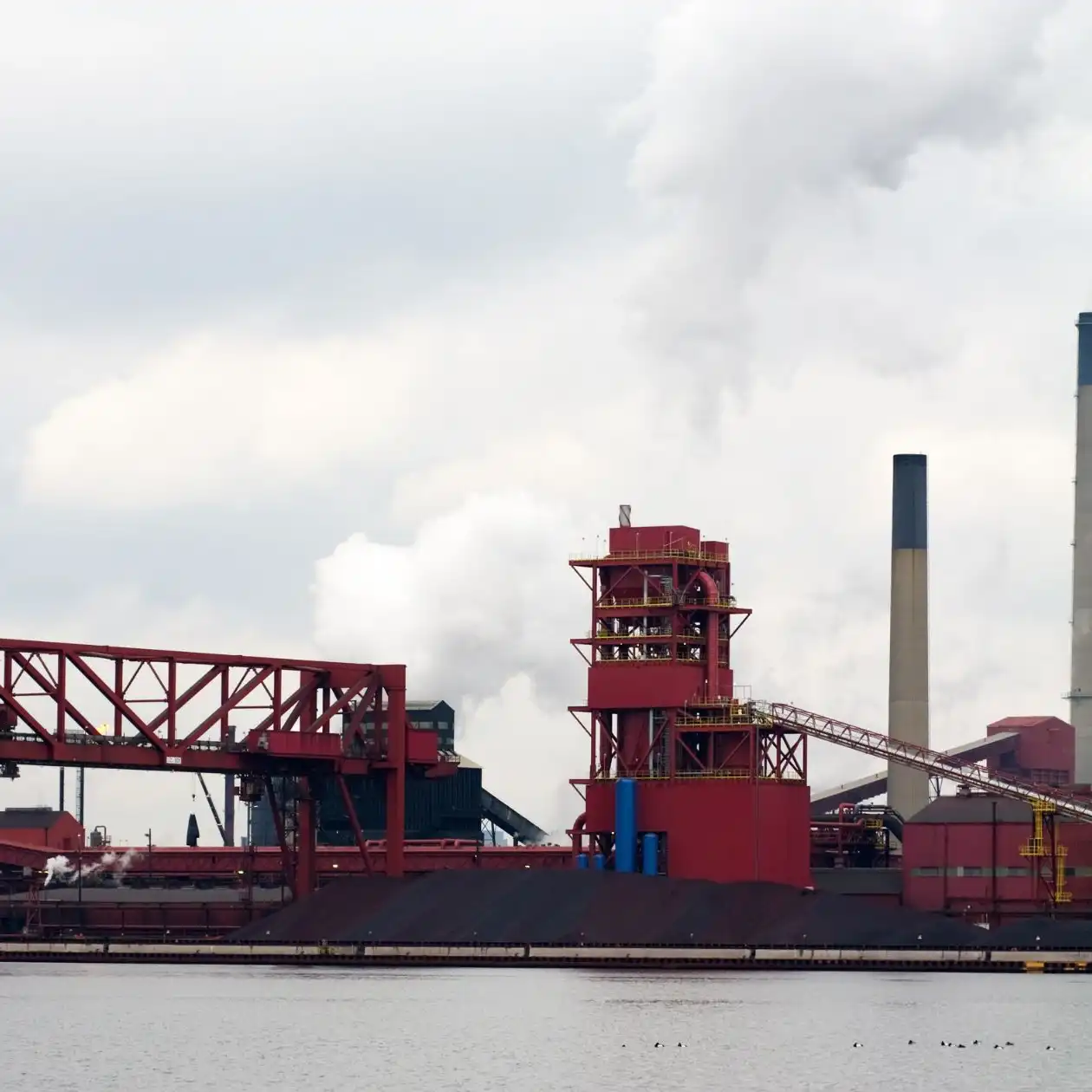
Cargoes we cover
Major bulks, minor bulks, industrial, and specialty cargoes. The categories below link to the informational page for each commodity if you want background.
Coal
Steam coal and coking coal. Capesize and Panamax tonnage. Indonesia, Australia, Colombia, US Gulf load ranges.
Learn moreIron Ore
Fines, pellets, lump. Capesize and VLOC for long-haul. Brazil, Australia, West Africa, India, Sweden.
Learn moreGrain
Wheat, corn, soybean, barley. Panamax, Supramax, Handymax. Hold cleanliness and weight verification central.
Learn moreCement
Bulk and bagged cement on Supramax and Handymax. Self-discharging or geared for terminals without shore equipment.
Learn moreFertilizer
Urea, DAP, MOP, ammonium nitrate. Supramax and Handymax. Special handling for nitrate cargoes.
Learn moreBauxite
Australia, Guinea, Indonesia exports to refining centres. Capesize and Panamax tonnage, often under COA.
Learn moreSteel & scrap
Coils, plate, billets, scrap metal. Handysize and Supramax with appropriate gear. Lashing and securing critical.
Learn moreSpecialty
Pet coke, alumina, wood pellets, manganese, chromite, sulphur. Often under COA, often Supramax/Handymax.
Learn more| Cargo Category | Examples | Typical Vessel | Charter Type |
|---|---|---|---|
| Major bulks | Iron ore, coal, grain | Capesize, Panamax | Voyage, COA |
| Minor bulks | Cement, fertilizer, sugar, salt | Supramax, Handymax | Voyage |
| Industrial | Steel, scrap metal, aggregates | Handysize, Supramax | Voyage |
| Specialty | Bauxite, alumina, pet coke, wood pellets | Supramax, Handymax | Voyage, COA |
The four cargo categories above behave very differently in commercial terms, and the desk treats each one with its own playbook.
Major bulks
The high-volume, contract-driven trades that anchor the dry market. Individual iron-ore and coal stems run from 75,000 MT on Panamax up to 180,000 MT on Capesize and 300,000 MT plus on VLOC, and a single mining or utility counterparty can ship tens of millions of tonnes a year under a mix of COA and spot work. Grain trades are more seasonal, more weather-exposed, and more fragmented on the cargo side, with stems clustering at 30,000 to 70,000 MT on Supramax and Panamax. Because the majors set the tone of the Baltic indices, even clients who never ship a Capesize watch the BCI to read the broader market direction.
Minor bulks
The technical end of the desk. Cement moves in both bulk and bagged form, the latter requiring particular care over hold cleanliness, dunnage, and ventilation. Fertilizers split between hygroscopic urea and DAP, where moisture and contamination can write off cargo value, and ammonium nitrate, which is subject to IMSBC group classification and dedicated stowage rules. Sugar and salt are sensitive to prior cargoes and need hold inspections that meet food-grade or grain-grade standards. Stems are typically 25,000 to 55,000 MT on Supramax and Handymax tonnage, and the broker's job is as much about vessel suitability as it is about freight.
Industrial cargoes
Dominated by stowage and securing challenges rather than by cleanliness. Steel coils, plate, and billets require lashing plans, dunnage layouts, and frequently surveyor sign-off before sailing. Scrap is awkward, heavy, abrasive on holds and hatches, and demands a vessel and owner with appetite for the trade. Aggregates and clinker move on Handysize and Supramax and often involve geared tonnage because terminals lack shore cranes. Stems run smaller, 15,000 to 50,000 MT, and the vessel pool that will quote competitively is narrower than the headline fleet size suggests.
Specialty cargoes
Where stowage factor and niche owner relationships matter most. Pet coke, alumina, wood pellets, manganese, chromite, and sulphur each have particular handling, fire, dust, or self-heating considerations, and the universe of owners that will load them cleanly is far smaller than the universe of owners that will quote freight. A meaningful share of specialty volume moves under COA precisely because shippers value continuity of vessel and owner over chasing the prompt market.
From mini-bulker to VLOC
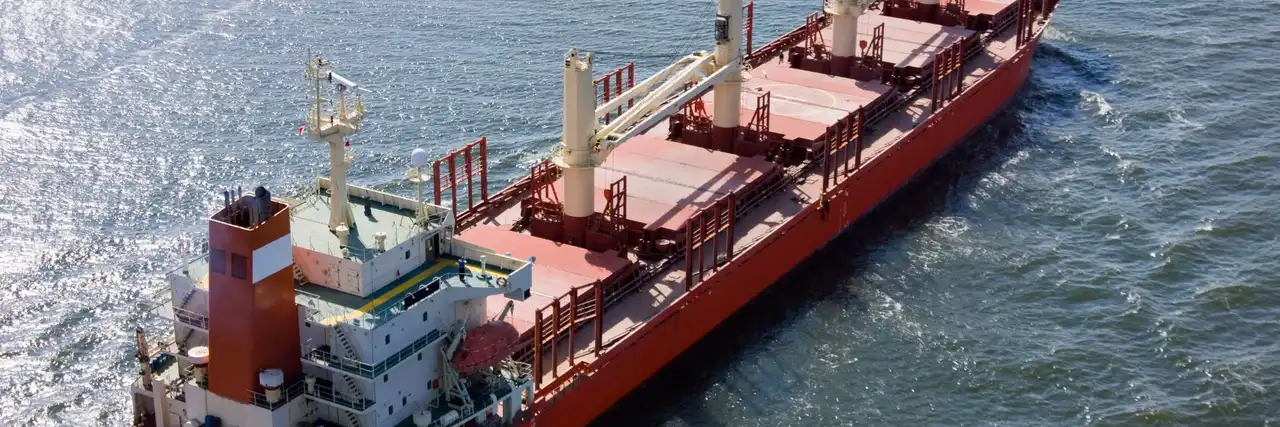
We access the full dry bulk vessel stack: Capesize (~180,000 DWT), Panamax/Kamsarmax (~75,000 to 82,000 DWT), Supramax/Ultramax (~58,000 to 63,000 DWT), Handymax (~45,000 to 55,000 DWT), Handysize (~25,000 to 40,000 DWT), and mini-bulker (~3,000 to 10,000 DWT). For iron ore programmes we also access VLOC (320,000+ DWT) tonnage through long-haul owner relationships.
Vessel selection is upstream of rate. Matching DWT and cubic capacity to your cargo, age and class, last cargo, current position, geared vs gearless, and trading restrictions: all of that gets worked through before we present options. Cheapest ship on paper is rarely the cheapest fixture.
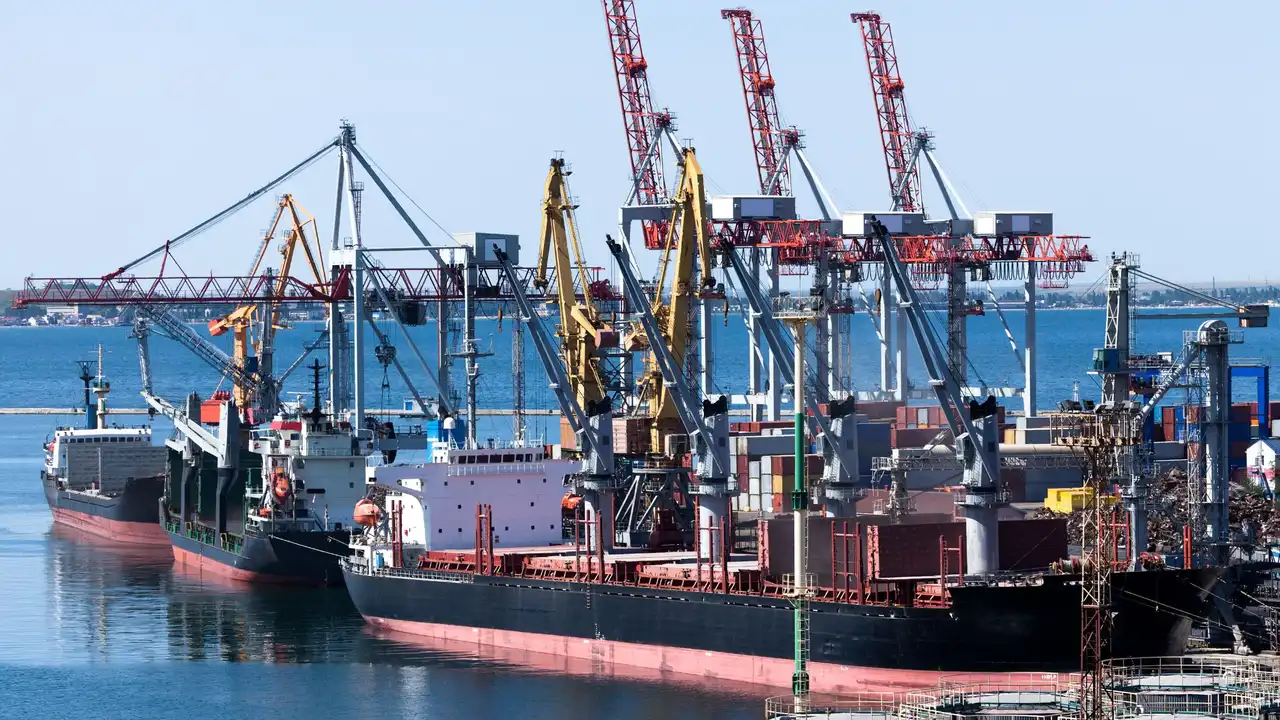
How Bulkargo fixes a dry cargo charter
A dry cargo fixture is the product of five or six interlocking decisions: which cargo profile we are working with, which vessel segment fits it, where the market sits today and where it is heading, what the right number is on freight and on the surrounding commercial terms, which charter party form best protects both parties, and how the post-fixture operational chain hangs together. None of these decisions are taken in isolation. A cargo with a high stowage factor changes the vessel cubic equation, which changes the segment, which changes the index we benchmark against, which changes the charter party form we recommend.
Market timing sits underneath the whole flow. We track the Baltic Dry Index daily, along with the segment-specific sub-indices: the BCI for Capesize, the BPI for Panamax and Kamsarmax, the BSI for Supramax and Ultramax, and the BHSI for Handysize. We watch the FFA forward curves where they exist, position lists in each segment, ballaster counts on the major load ranges, and the cargo book coming up over the next two to four weeks. None of this guarantees a call, but it lets us advise on whether to fix now, hold for a session, or build out a wider canvass. The work the desk does on every fixture, in plain terms:
- 01
Cargo assessment
Stowage factor, hold cleanliness needs, handling gear, draft restrictions at load and discharge. For dirty cargoes we flag whether the discharge port allows them.
- You provide
- Cargo type, tonnage, ports, laycan
- We handle
- Stowage and handling analysis
- 02
Vessel selection
24 to 72 hrsWe canvas owner and operator network for tonnage matching cargo and laycan. Three to six qualified options to a client unless market is very tight.
- We handle
- Market canvass, vessel shortlist
- 03
Market timing
BDI and sub-indices monitored daily. We advise on whether to fix now or wait. For COA discussions we factor in FFA curves where available.
- We handle
- Index analysis, fix-or-wait recommendation
- 04
Rate negotiation
Headline freight, plus laytime, demurrage, dispatch, loading and discharge rates, addresses, and any cargo-specific clauses.
- We handle
- Benchmark vs recent fixtures, negotiate full term sheet
- 05
Fixture & charter party
Recap exchanged, then formal charter party (Gencon, NIPPONCOAL, AMWELSH, or trade-specific). Every clause reviewed before signature.
- We handle
- Recap, CP review, signature coordination
- 06
Pre-loading & post-fixture
Vessel nomination, NOR procedure, agent appointment, hold cleanliness inspection, surveys. After discharge: demurrage settlement, documentation, dispute support.
- We handle
- Operations liaison, settlements, post-fixture support
The choice of charter party form is part of the rate-negotiation conversation and rarely a back-office detail. Gencon is the general-purpose bulk fixture form published by BIMCO and remains the most common base for voyage charters across minor bulks, fertilizers, aggregates, and the broader specialty book. NIPPONCOAL is the dedicated form for the coal trade into Japan and the wider Pacific, with clauses calibrated to coal-terminal practice, sampling, and demurrage convention. AMWELSH is the standard for US coal exports out of Hampton Roads and the US Gulf, again with trade-specific laytime and weighing clauses. We will also work from SYNACOMEX for grain, FERTIVOY for fertilizers, and bespoke shipper or charterer pro-formas where the trade calls for it. Picking the wrong form, or accepting a counterparty’s pro-forma without working through the rider clauses, is one of the more expensive errors a desk can make.
Cargo-handling cost allocation is the other half of the CP picture. Liner terms put loading and discharge handling on the owner. FIO, FIOS, and FIOST put it on the charterer. The intermediate variants show up on trade-specific forms.
Post-fixture is where the desk earns its keep on difficult trades. Once the charter party is signed, the broker stays on the file: vessel nomination and substitution, notice of readiness tendering, port agent appointment, hold cleanliness inspection and survey coordination at load, lashing-survey sign-off where required, statement-of-facts review at both ends, laytime and demurrage calculation, and bill-of-lading and documentation handling. If a dispute develops over off-spec cargo, draft survey discrepancy, or weather-induced delay, we work with both principals and, where needed, with their P&I clubs and legal counsel to keep the fixture on rails through to final settlement. The same broker who negotiated the recap is the one who runs the demurrage calculation at the end, which keeps context intact and avoids the handoff cost that comes with desks that split commercial work from operations.
The Capesize on the cheapest freight line is rarely the cheapest fixture once vessel-cargo fit, port suitability, and operational reliability are factored in.
Caribbean, Atlantic, Pacific, Indian Ocean
Caribbean. Aggregates, clinker, cement, sugar, and inter-island work on Handysize, mini-bulker, and the smaller end of the Supramax fleet. Colombian coal exports on Panamax and Supramax, and bagged bitumen as a regional break-bulk specialty. US Gulf coal and pet coke into Caribbean utilities and cement plants overlap with the Atlantic book. Short-haul economics, repeat-call patterns, and a dense network of regional ports make it a steady minor-bulk market.
Atlantic. Brazil and West Africa iron ore to China and Europe, anchored by the Vale-Tubarão complex and the Ponta da Madeira export channel, is the dry market’s longest tonne-mile trade and the single biggest driver of Capesize and VLOC demand. Round-voyage economics on this lane sit at the heart of the BCI, and Atlantic ballaster counts feed directly into Pacific freight levels through the basin arbitrage. US Gulf and East Coast South America grain to Europe, North Africa, and the Far East drives Panamax and Supramax demand on a seasonal cycle, with the Mississippi export window and the Brazilian and Argentine harvest peaks defining the calendar. US Gulf pet coke moves on Supramax and Handymax into India and the Mediterranean, and Colombia and US Gulf coal continues to supply European utilities and Mediterranean cement producers despite the long-term thermal-coal demand shift.
Pacific. Australia coal and iron ore to China, Japan, Korea, and India is the Capesize and Panamax workhorse trade. Port Hedland, Dampier, and Newcastle dispatch is what most of the Pacific Capesize fleet trades around, and the Australian export window often sets prompt direction for the whole segment. Indonesia coal to China, India, and Southeast Asia runs largely on geared Supramax and Panamax due to the river-loading and floating-crane infrastructure at the Kalimantan ports. Australia and Indonesia bauxite to China feeds the world’s largest alumina refining base and increasingly trades on COA. Intra-Asia grain, cement, clinker, and minor bulks fill out the Handysize and Supramax book.
Indian Ocean and Middle East. Indian iron ore, bauxite, and grain exports run on Supramax and Panamax into China and Southeast Asia. Middle East urea, sulphur, and other fertilizer feedstocks move out of the Arabian Gulf on Supramax and Handymax, often into agricultural markets in South Asia, Africa, and the Americas. East African mineral exports out of Mozambique and Tanzania are a growing piece of the long-haul Supramax book, and aggregate trades from the Gulf into the Indian subcontinent fill out short-haul Handysize work.
Intra-regional. Mediterranean and Black Sea grain corridors, with Russian, Ukrainian, Romanian, and Bulgarian export terminals, drive a deep Supramax and Handysize market through the Bosphorus. The Baltic and North Sea trade steel, scrap, fertilizer, and minor bulks across short-sea distances on Handysize and mini-bulker tonnage, with seasonal ice-class considerations through the winter.
Why clients use Bulkargo for dry cargo
We are an independent broker. We do not own vessels and we are not the in-house brokerage of a fleet. The Capesize we recommend is the one that fits your cargo, not the one we need to keep employed. As Dry Bulk Brokers, we cover the full commodity basket from mini-bulker to Capesize with no owner affiliation to bias the fixture.
We are a full-service desk. From inquiry through post-fixture documentation and demurrage, the same broker stays with the fixture. We do not hand off to a separate operations team.
We work the desk seven days. Bulk freight does not stop for weekends, and prompt market opportunities, distressed cargoes, vessel windows, weather-driven dislocations, frequently emerge outside business hours.
The end-to-end fixture sequence is laid out in how it works, and the fastest way to start is to send the cargo on a quote request.
Related references
Charter modalities
Trade lanes
Cargoes we have fixed since 2022
- Cement
- Quicklime
- Bitumen
- Project cargo
- Machinery
- Mining ores and earths
Ready to fix?
Tell us about your cargo. A broker will respond the same business day with an initial market read and next steps.