Tanker Chartering
Tanker chartering across crude, clean and dirty products, and vegetable oils. Bulkargo brokers tanker fixtures across VLCC, Suezmax, Aframax, LR1, LR2, MR, and Handysize tonnage on voyage, time, and COA terms.
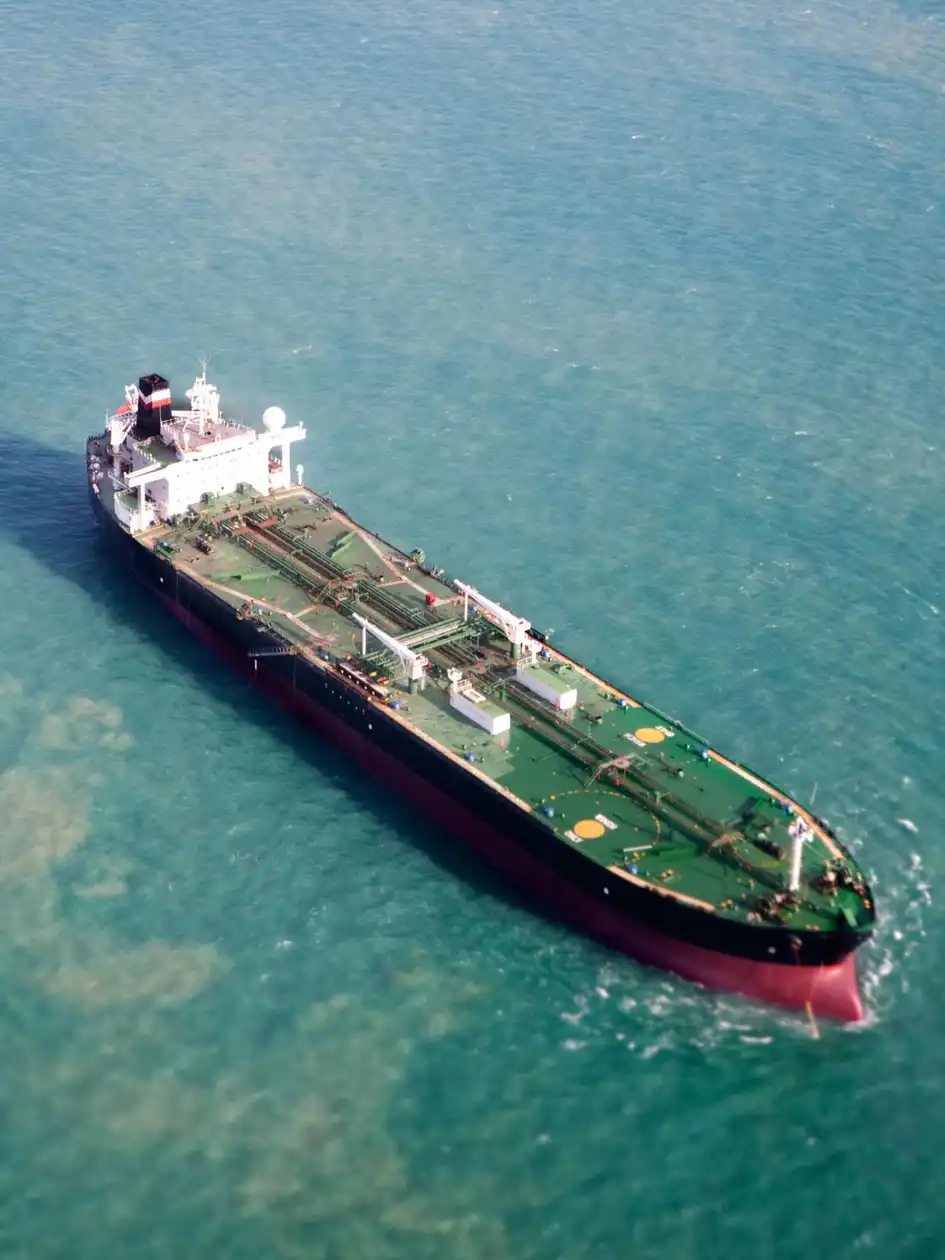
Tanker chartering practice
Tanker work is materially more vetting-heavy than dry bulk, and that is where the broker’s role concentrates. Before a fixture is firmed, vessels are screened against SIRE 2.0 (the OCIMF tanker inspection regime), CDI for chemical-grade tonnage, terminal acceptance lists at both load and discharge ports, P&I club standing, flag and class status, charterer-specific age and condition rules, and sanctions exposure across owner, beneficial owner, manager, and prior trading. Vetting is not a post-fix formality. It dictates which ships are even in the conversation, and missing it costs charterers fixtures or, worse, port rejections after laycan.
Tanker chartering is offered as part of Bulkargo’s ship brokering practice, covering crude oil, clean and dirty petroleum products, residual fuel oil, and edible and industrial vegetable oils. We cover the full tanker stack: from VLCC on long-haul crude through Suezmax, Aframax, LR2, LR1, and MR product tankers down to coated Handysize tonnage on regional clean and vegoil routes.
On crude, the desk works cargo flows from the Middle East Gulf, West Africa, the US Gulf, the North Sea, and the Mediterranean. On clean products, the bulk of the market is gasoline blendstocks, ULSD and diesel, jet A1, naphtha, and reformate moving on MR and LR tonnage. On dirty products, the desk covers fuel oil grades (HSFO, LSFO, VLSFO), vacuum gas oil, and slurry where previous-cargo compatibility allows. On vegoils, the focus is palm, sunflower, soybean, and rapeseed parcels into India, the Middle East, North Africa, and Europe. The line between clean petroleum and chemical-grade liquids blurs at the edges (base oils, biodiesel feedstocks, certain solvents), and those parcels run through our specialised products desk. Charter modalities follow the trade: voyage charter priced on Worldscale or a lump sum for spot crude and product cargoes, time charter for charterers running ongoing programmes, and contract of affreightment for refiners, trading houses, and integrated oil companies covering annual lifting commitments without exposing a single voyage to spot volatility.
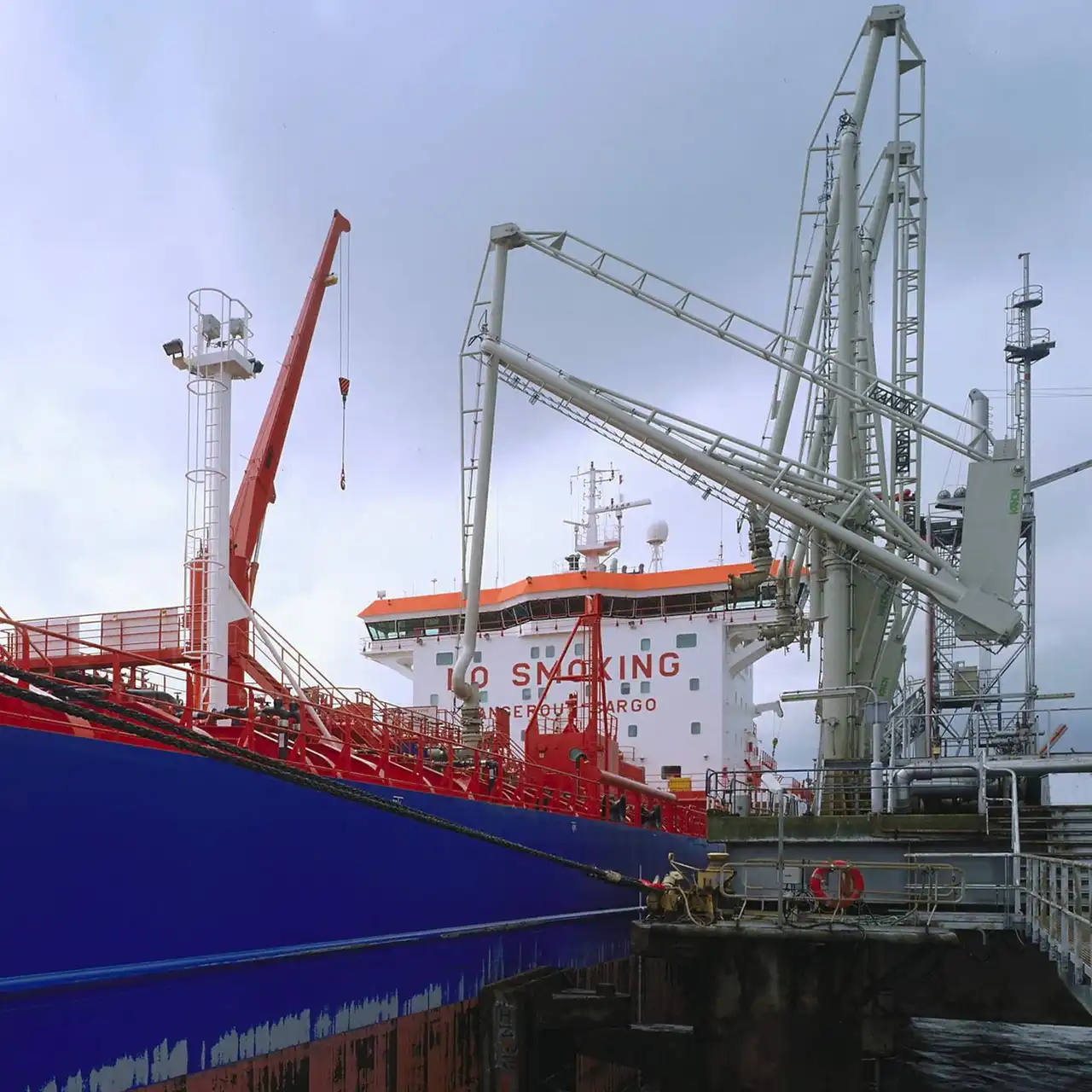
Cargoes we cover
| Cargo Type | Examples | Typical Vessel | Notes |
|---|---|---|---|
| Crude oil | Heavy crude, light sweet crude | VLCC, Suezmax, Aframax | MEG to Far East, WAF to US Gulf |
| Clean products | Gasoline, diesel, jet fuel, naphtha | MR, LR1, LR2 | Coated tanks, segregation |
| Dirty products | Fuel oil, LSFO, slurry | Aframax, Panamax | Compatible with previous cargoes |
| Vegetable oils | Palm, sunflower, soybean | MR, Handysize | Heated tanks, food-grade coating |
Each cargo type drives a different conversation on vessel choice, and the broker’s job is to translate parcel size, grade, and route into the right ship.
Crude oil
Sits at the top of the stack by volume. Long-haul flows out of the Middle East Gulf to the Far East, and from West Africa to the US Gulf or Europe, are typically VLCC business at roughly 270,000 to 320,000 DWT. Regional crude on shorter legs (North Sea, Caribbean, Mediterranean, intra-Asia) moves on Suezmax (~150,000 DWT) or Aframax (~110,000 DWT). Freight on crude is almost always quoted on Worldscale (WS), letting charterers compare voyages with different distances and bunkers on a like-for-like basis.
Clean petroleum products
Where vessel selection becomes a segregation problem. A trader lifting gasoline, diesel, and jet on a single MR (~50,000 DWT) needs the right number of segregated tanks, compatible epoxy coatings, and clean prior-cargo history. Naphtha is particularly sensitive: traces of gasoline additives or olefins from a prior parcel can spoil petrochemical-grade naphtha and cost the value of the cargo. LR1 (~75,000 DWT) and LR2 (~110,000 DWT) handle the larger clean parcels and long-haul product arbitrages, often east of Suez to Europe or the Atlantic Basin.
Dirty petroleum products
Governed by previous-cargo rules and heating. HSFO, LSFO, and VLSFO need heated tanks to keep viscosity manageable on discharge; slurry and vacuum gas oil are similar. Aframax (~110,000 DWT) and Panamax (roughly 55,000 to 80,000 DWT, with some brokers extending the range to 85,000) tonnage with the right last-three-cargoes profile is what charterers look for, since a recent clean cargo or unsuitable prior parcel will rule a ship out. Panamax is a distinct class from LR1 product tankers, separately classified around 45,000 to 79,999 DWT per [Scorpio Tankers' vessel glossary](https://www.scorpiotankers.com/glossary_/panamax-tanker/).
Vegetable and edible oils
Demand the strictest tank specification. Food-grade epoxy or stainless steel, heated coils, and a clean three-prior-cargoes history are typical baseline requirements; some refiners and food customers go further with FOSFA-recognised lists. Most palm, sunflower, soybean, and rapeseed parcels move on MR or Handysize coated tankers, with the larger flows out of Indonesia and Malaysia to India, China, and Europe.
Crude: long haul
Heavy and light, sweet and sour grades. VLCC and Suezmax. MEG/Far East, WAF/Far East, WAF/US Gulf, WAF/Europe.
Crude: medium haul
North Sea, Mediterranean, Caribbean, intra-Asia crude. Suezmax and Aframax tonnage.
Clean products
Gasoline, diesel, jet fuel, naphtha, ULSD. MR, LR1, LR2 tankers with coated tanks and segregated cargo capability.
Dirty products
Fuel oil (HSFO, LSFO, VLSFO), slurry, vacuum gas oil. Aframax and Panamax product tankers compatible with previous dirty cargoes.
Vegetable oils
Palm oil, palm olein, soybean, sunflower, rapeseed. MR and Handysize tankers with food-grade epoxy or stainless steel tanks.
Specialty liquids
Base oils, biodiesel feedstocks, molasses, lubricant blendstocks. Often overlap with the specialised products desk.
Vetting cleared
SIRE 2.0 / CDI inspection-ready tonnage. Charterer-specific vetting checks completed before fixture.
Sanctions screened
OFAC, EU, UK list screening on every party. Price-cap compliance for relevant origin cargoes. STS restrictions handled.
VLCC down to coastal Handysize
The desk canvasses the open market across the standard tanker stack:
- VLCC (~300,000 DWT): long-haul crude
- Suezmax (~150,000 DWT): WAF/US Gulf, WAF/Europe, Mediterranean crude
- Aframax (~110,000 DWT): North Sea, Mediterranean, Caribbean, intra-Asia crude and dirty products
- LR2 (~110,000 DWT product): long-haul clean products
- LR1 (~75,000 DWT product): clean products, intra-regional and medium-haul
- MR (~50,000 DWT): clean products and vegoils on most regional routes
- Handysize / Coastal (~25,000 to 40,000 DWT): short-sea, parcel, niche product trades
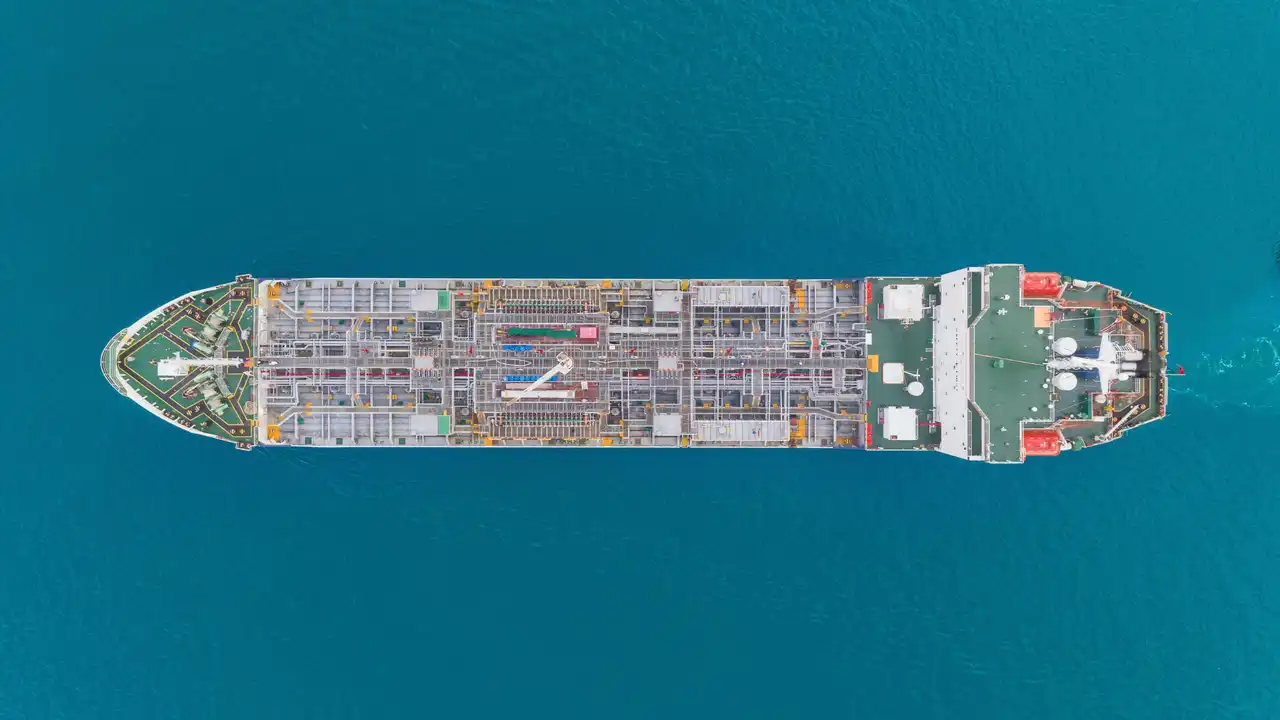
Tanker chartering is materially more vetting-heavy than dry bulk. Knowing which vessels are positioning at any moment, and being able to call the right owner directly, is what makes the difference on prompt-market work.
How Bulkargo fixes a tanker charter
Same general inquiry-to-fixture sequence as dry cargo, with several technical layers specific to liquids.
Freight on most tanker fixtures is quoted on Worldscale. The Worldscale Association publishes an annual flat rate (Worldscale 100) for every load/discharge pair, expressed in USD per metric ton and built from a notional standard vessel, route distance, bunker cost, and port time. The market then trades the route as a percentage of that flat: WS 80 means freight at 80 percent of the published flat rate, WS 120 at 120 percent. Worldscale lets owners and charterers compare a MEG/Singapore Aframax run against a North Sea/UK Continent Aframax run on the same basis, even though the underlying voyage economics differ. The two benchmark indices that anchor timing decisions are the Baltic Dirty Tanker Index (BDTI) and the Baltic Clean Tanker Index (BCTI), both published daily by the Baltic Exchange. BDTI is the weighted basket of crude and dirty product routes; BCTI covers clean products. A broker reads them as a temperature check on whether the market is firming or softening on a given lane, and pairs them against position lists, bunker prices, and the seasonal pattern to advise fix or wait.
Vessel selection on a tanker fixture runs through the load and discharge ports as much as it runs through the cargo. Loading and discharge rates set time at berth. Manifold height, hose connection, and vapour return have to line up between ship and shore. A vessel that needs equipment the terminal does not have will cost time at berth, or will not be accepted at all.
- 01
Cargo assessment
We assess API gravity, sulphur, flash point, viscosity, pour point, and heating or inerting needs. We check the load and discharge ports for terminal arm size, manifold spec, draft, expected port time and pumping performance, vapour return, and any shore equipment the vessel must interface with. For clean products, the main consideration is segregation. For vegoils, it is coating grade and previous cargoes.
- You provide
- Cargo grade, quantity, density, sulphur
- We handle
- Compatibility analysis, segregation matrix
- 02
Vessel vetting
SIRE 2.0 or CDI status. Charterer-specific vetting. Vessel age, flag and class, P&I club, port state record, sanctions screening, terminal acceptance at both load and discharge.
- We handle
- Full vetting checks before fixture
- 03
Market timing
BDTI (dirty) and BCTI (clean) indices monitored. Worldscale flat rate updates and seasonal patterns (winter crude, hurricane season Gulf load, summer driving season).
- We handle
- Index analysis, fix-or-wait recommendation
- 04
Rate negotiation
We negotiate Worldscale points or a lump sum, along with demurrage, total laytime allowance, pumping rate warranties, the deviation clause, heating clauses for vegoils and heavy fuel, tank cleaning charges, and port- and charterer-specific clauses.
- We handle
- WS benchmark, full term sheet negotiation
- 05
Compliance and sanctions
OFAC, EU, UK screening on owner, beneficial owner, vessel, counterparty. Price-cap compliance for relevant cargoes. STS restrictions where applicable.
- We handle
- Sanctions screening on every party
- 06
Post-fixture
Voyage monitoring, NOR tendering, independent surveyor inspections at load (grade and quantity), B/L issuance, post-voyage settlement of freight, demurrage, deviations, heating.
- We handle
- Operations support, demurrage settlement
The work does not end at recap. Tanker fixtures carry a long post-fixture tail. Laytime, the time allowed at load and discharge ports, runs against the clock from NOR (notice of readiness) and is governed by the charter party’s laytime regime (running hours, SHINC, SHEX, weather working days). Time used beyond allowed laytime triggers demurrage, which is invoiced at the agreed daily rate, almost always negotiated, and reconciled against statements of facts, surveyor reports, pumping logs, and port logs. Deviation, off-spec heating, short-loading, slop disposal, and bunker quality disputes all surface in the same settlement window. Sanctions screening is an ongoing duty for the entire voyage, not a one-shot pre-fixture check: a vessel can lose vetting status, change ownership, or be added to a list mid-voyage, and the broker stays close to it until cargo is delivered and freight settled.
Coverage across the major tanker corridors
Coverage spans the main tanker corridors tracked in our routes and markets view.
Caribbean and US Gulf interface. Clean and dirty product flows between US Gulf refineries, Reficar and Ecopetrol terminals on the Colombian Caribbean coast, regional storage hubs (St. Eustatius, Bahamas, Curaçao), and onward to Latin America, West Africa, and Europe. MR and LR1 tonnage dominates, with Aframax on the dirty side. Short-haul economics, storage arbitrage plays, and STS operations are routine. Cuba, Dominican Republic, Jamaica, and the broader island market round out regional product demand.
MEG to Far East is the dominant long-haul crude trade. VLCC is the standard, with a one-way voyage in the order of 25 days from Ras Tanura or Fujairah to Ningbo, Yeosu, or Chiba. Clean products move out of the Middle East refining cluster to Asia on LR1 and LR2 tonnage, with naphtha and gasoil arbitrages running both eastbound and westbound depending on price.
West Africa to US Gulf and Europe is largely Suezmax and Aframax crude business out of Nigeria, Angola, and Equatorial Guinea. Nigerian light sweet grades suit complex refineries in the US Gulf and Mediterranean. Voyages run roughly 14 to 20 days depending on discharge range.
US Gulf to Europe and Latin America is the heart of the Atlantic clean product market. MR and LR2 tankers move gasoline, diesel, and jet from the Houston/New Orleans corridor to Europe, Brazil, and the West Coast of South America. Crude moves the other way on Aframax and Suezmax where US light tight oil suits European or Asian refiners.
Intra-Asia products is high-frequency MR and Handysize business with multiple fixings a week. Singapore, the western Indian coast, South Korea, and the Chinese east coast form a dense triangular product market with short voyages and tight laycans.
Southeast Asia vegoils to India, MENA, and Europe is the heated-tank specialty. Palm oil and palm olein from Dumai, Belawan, and Pasir Gudang move on MR and Handysize coated tankers into Kandla, Mundra, Rotterdam, and the eastern Mediterranean. Sunflower oil from the Black Sea and soybean oil from South America complete the global edible-oil picture.
Across all of these corridors, COA structures are how refiners, integrated majors, and large trading houses lock in annual lifting from a defined load range without committing to specific voyages up front. A typical COA covers a fixed number of cargoes over twelve months, with a vessel nomination window for each lifting and an agreed pricing mechanism (often WS-linked with a floor or cap). For repeat shippers, COA is the structural layer; voyage fixtures fill the gaps.
Why use Bulkargo for tanker work
Independent broker, no fleet to fill, no conflict of interest on vessel selection. Same-business-day inquiry response across all major tanker classes. Send us the cargo and route to take it to the market.
Related references
Vessel guides
Charter modalities
Adjacent desks
Trade lanes
Service hub
Cargoes we have fixed since 2022
- Cement
- Quicklime
- Bitumen
- Project cargo
- Machinery
- Mining ores and earths
Ready to fix?
Tell us about your cargo. A broker will respond the same business day with an initial market read and next steps.